The document shares real-world data, surveillance methods and targeted treatment outcomes to support local governments, arborists and sector partners across Western Australia.
The City’s evidence-based, tree-first approach prioritises early detection, rapid intervention and canopy retention wherever possible.
In 2024/25, only two trees within the City of Perth were removed due to PSHB, demonstrating the effectiveness of early surveillance and targeted treatment programs.
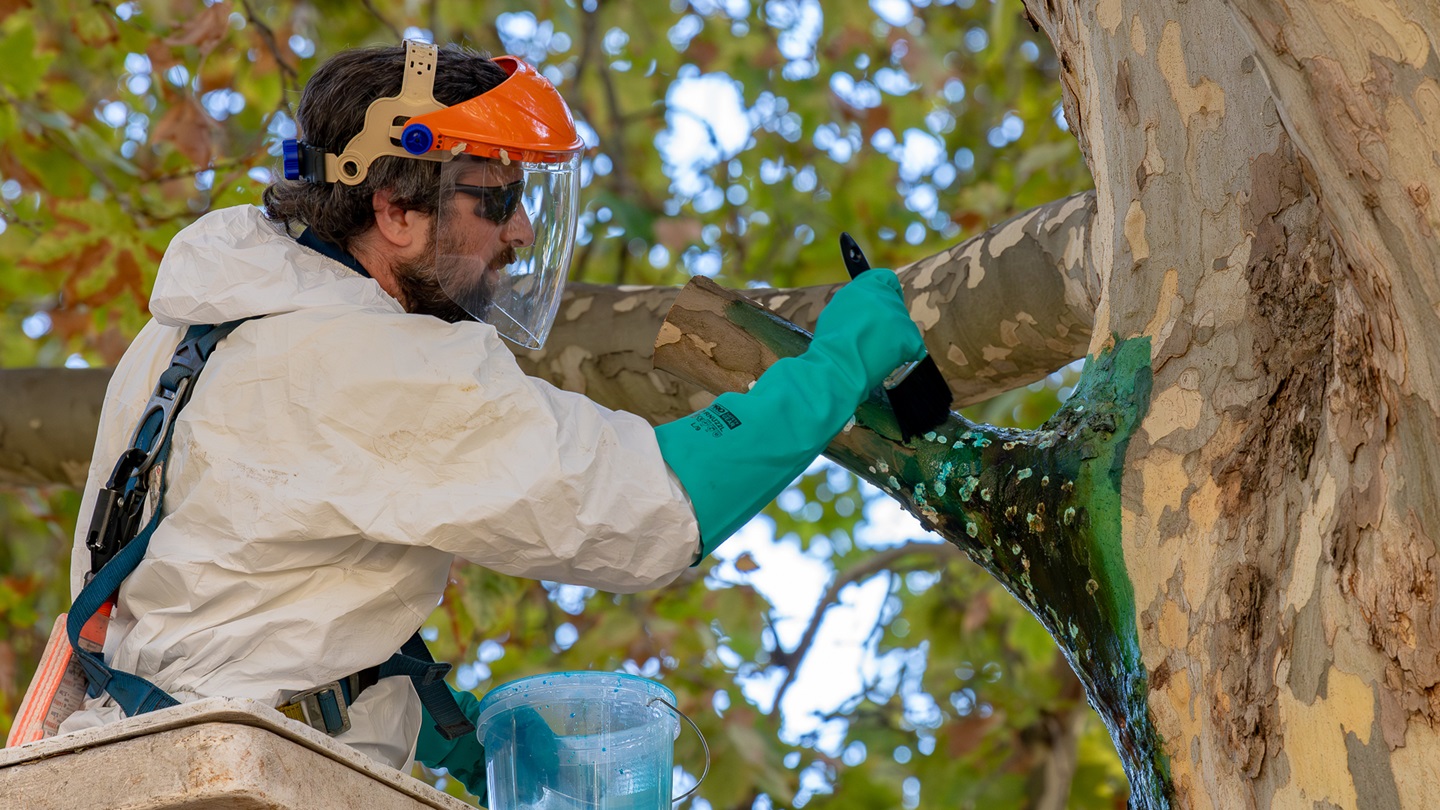
Treatment using bifenthrin in identified locations achieved approximately 95 per cent beetle reduction, suppressing infestations while retaining high-value and heritage trees.
City of Perth Lord Mayor Bruce Reynolds said the release of the PSHB Response Document reflects the City’s commitment to transparency, collaboration and leadership in urban forest protection.
“Perth’s trees are vital to our city’s character, biodiversity and liveability and our priority has been to save trees wherever possible. Removal is always a last resort, and our results show that early intervention and our treatment methods work,” he said.
“We’ve invested in surveillance, targeted treatments and continuous monitoring to protect our trees. We’re sharing our findings to support other Councils and State Government as we all work together to protect more trees across Western Australia.”
The City’s integrated surveillance model combines trapping, ground inspections and aerial assessment to provide comprehensive coverage and enable quick response to emerging infestations.
All treatments are undertaken in accordance with strict regulatory requirements under the Department of Primary Industries and Regional Development’s emergency use permit, with targeted application methods and comprehensive safety protocols.
The PSHB Response Document is available to download here.
ENDS
Issued by: Hannah Marcuson | [email protected]